★★★★☆4.5(211 reviews)
Elephant 3 Appliqué Sewing Pattern Review for Real Projects
First Impressions and Design Personality
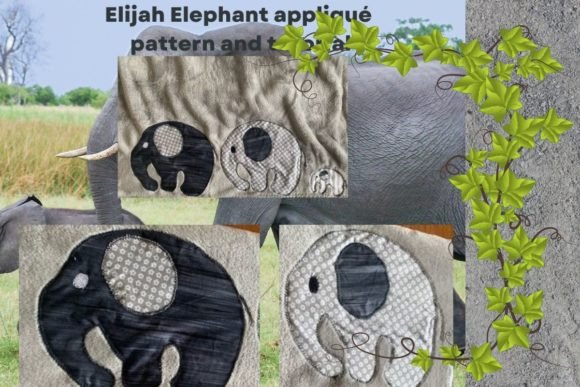
The Elephant 3 Appliqué Sewing Pattern immediately strikes a balance between whimsy and sophistication. It's not just another wild animal motif; the three elephant designs have a subtle charm that feels more like storytelling than decoration. Each template conveys a different personality — one playful, one elegant, and one with a quiet strength. This gives the pattern a versatile mood that can adapt to various projects without losing its visual appeal.Fitting Into Real Embroidery Projects
I often consider how a design will translate into real-life applications when evaluating its potential. The Elephant 3 Appliqué Sewing Pattern has shown promise in several areas:- Tote bag design: The elephants fit nicely on canvas or linen tote bags, especially when using satin stitch outlines to make them pop. Their size and shape lend themselves well to placement at the top corners or centered on the front.
- Sweatshirt embroidery: On thicker sweatshirts, the appliqué technique works beautifully. Using a mix of running stitch and fill stitch inside the raw edges adds texture while maintaining softness in the overall look.
- Baby clothes and nursery decor: The gentle forms and lack of aggressive details make these elephants great for baby items like onesies, bibs, or pillow covers. They feel safe and nurturing — a plus for parents choosing personalized gifts or small shop product lines.
- Embroidered patch: As a standalone patch, this design is strong. Its clean lines and manageable complexity allow it to be stitched clearly even on textured or stretchy materials, as long as proper stabilizer is used.
Where Caution Is Needed
While the Elephant 3 Appliqué Sewing Pattern is adaptable, there are a few situations where extra attention is needed:- Small hoop sizes: If you're working with tight spaces — say, for cap embroidery or tiny patches — you might need to resize the design carefully. Scaling down too much could compromise the clarity of the elephants' features.
- Textured fabrics: Though the raw edge style helps mask some imperfections, stitching on heavily textured materials may require adjustments in stitch density and possibly pre-washing the fabric.
- Thin or stretchy fabric: These types of materials can cause distortion unless properly stabilized. A tear-away or cut-away backing is recommended depending on the project.
- Dark fabric backgrounds: Thread color contrast becomes crucial here. Lighter thread colors may not show up well, so testing on scrap fabric is essential before committing to a final piece.
- Curved surfaces: Placing the design on a curved surface like a cap or sleeve requires precise positioning. Any misalignment could affect the overall composition and symmetry.
- Detailed corners and small elements: While the elephants are generally simple, they do have some delicate parts that might struggle on very fine or slippery fabrics. A good-quality machine embroidery design setup is important here.
Impact on Visual Appeal and Customer Reception
From a customer perspective, such designs can increase buyer engagement. People love seeing familiar animals given a thoughtful, handmade twist. For an Etsy seller or handmade shop owner, this kind of embroidery project can build trust through quality and presentation. The Elephant 3 Appliqué Sewing Pattern doesn’t scream “mass-produced,” which is key in standing out within the crowded handmade market.Design Notes for Optimal Use
Before diving into production, I always run a few practical checks with new patterns. Here’s what I recommend for anyone planning to use Elephant 3 Appliqué Sewing Pattern in their work:- Test on scrap fabric first: Especially if you’re planning to scale the design or change thread colors. This helps catch issues with stitch flow or visibility early.
- Check thread color contrast: Make sure your chosen thread complements or contrasts the fabric effectively. Dark thread on dark fabric won’t work unless you layer or use metallic accents.
- Review stitch density: Adjust fill stitch spacing to avoid puckering or overstuffing, particularly on stretchy or thin materials.
- Confirm hoop size requirements: Since the product description doesn’t specify exact dimensions, measure your design after scaling and ensure it fits comfortably within your available hoops.
- Inspect small details: Look closely at ears, trunks, and other intricate parts. If you're using a machine embroidery design, check for any stitch direction inconsistencies.
- Test in black and white mockups: This helps visualize how the design will appear under different lighting conditions or against unexpected backgrounds.
- Compare light and dark fabric options: Some elements may disappear on darker bases. Consider whether you’ll need to adjust the design or use alternative threads.
- Use proper stabilizer: Depending on the fabric, you may need a medium-weight stabilizer underneath to keep stitches crisp and prevent shifting.
- Check commercial use licensing: Always verify the terms before selling finished products or digital embroidery files. Without the right license, your craft business could face legal issues.
Handmade Presentation and Brand Consistency
The Elephant 3 Appliqué Sewing Pattern lends itself well to handmade aesthetics. Its raw edge finish gives a tactile, artisanal feel that appeals to customers seeking authenticity. For a small shop product line or personalized gift offering, this can reinforce the brand image of being creative and thoughtful. Maintaining brand consistency is easier with this pattern because it can be used across multiple formats — from sweatshirt embroidery to nursery decor. You can test all three elephants to see which best aligns with your visual identity. For instance, a softer, more pastel-stitched elephant might suit a children’s line better than a bold, high-contrast version.Final Thoughts on Practical Application
Overall, the Elephant 3 Appliqué Sewing Pattern is a reliable addition to your design toolkit. It’s not flashy, but it does deliver consistent results and emotional resonance. As someone who regularly evaluates hand embroidery patterns and graphics for real-world use, I’d say this pattern shines in simplicity and usability. It’s a great option for hobbyists and professionals alike. Just remember to tailor your approach based on the material and context. With the right preparation and execution, it can become a signature element in your embroidery project offerings — boosting professionalism, recognition, and buyer satisfaction.
⬇️ Download Free
Free download · No sign-up required
🔗 You Might Also Like
Hand Embroidery Patterns
As an embroidery designer who spends weekends setting up booths at local craft f...
Hand Embroidery Patterns
As an embroidery designer with years of experience in creating boutique apparel ...
Hand Embroidery Patterns
Setting up a booth for a weekend craft fair is equal parts excitement and anxiet...
Hand Embroidery Patterns
As an embroidery designer who spends most of my days troubleshooting stitch erro...
Hand Embroidery Patterns
First Impressions of Bird on Branch DIY Embroidery As an experienced embroidery ...
