Bird Nest Embroidery Design Review
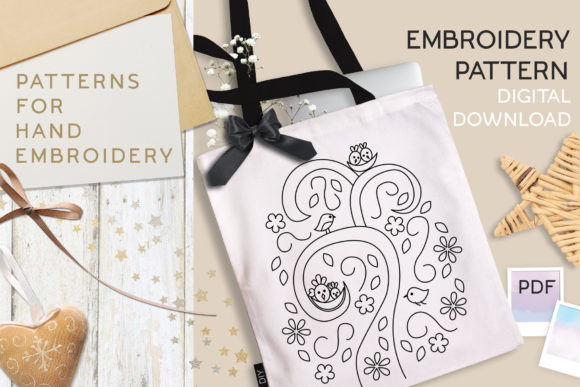
Setting up a booth for a weekend craft fair is equal parts excitement and anxiety. You want your display to stop people in their tracks, but you also need products that are practical to produce and easy to ship. As an experienced embroidery designer who has sold thousands of handmade items, I look at every new digital embroidery file with a critical eye. I am not just looking for something pretty; I am looking for something that sells. Today, I am reviewing the Embroidery Pattern Bird Nest, a whimsical design described as a bird nest on a tree, perfect for embellishing everyday items.
First Impressions: The Whimsical Appeal
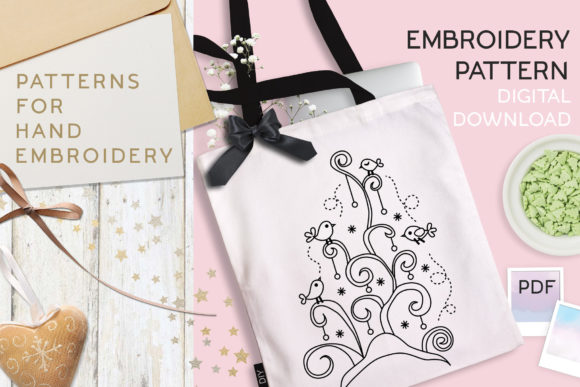
The title alone—Bird Nest on a Tree. Whimsical embroidery pattern—sets a specific tone. In the world of handmade goods, "whimsical" is a powerful keyword. It suggests softness, nature, and a touch of magic. When I first visualized this Hand Embroidery Patterns collection, I imagined it fitting perfectly into the current trend of cottagecore and rustic farmhouse aesthetics. It feels organic rather than rigid, which makes it incredibly versatile.
For a craft fair seller, the immediate appeal is emotional connection. A bird nest evokes feelings of home, spring, and new beginnings. This is not a stark, modern geometric shape; it is decorative and warm. This warmth translates well to physical products because customers often buy handmade items to bring that same sense of comfort into their own lives. The design likely balances bold enough elements to be seen from a distance with delicate details that invite closer inspection once a customer picks up the item.
Product Versatility: Where Does It Shine?
The product description highlights several key applications: tote bags, book covers, pillowcases, and tea towels. Let’s break down why these are smart choices for an Etsy seller or boutique maker.
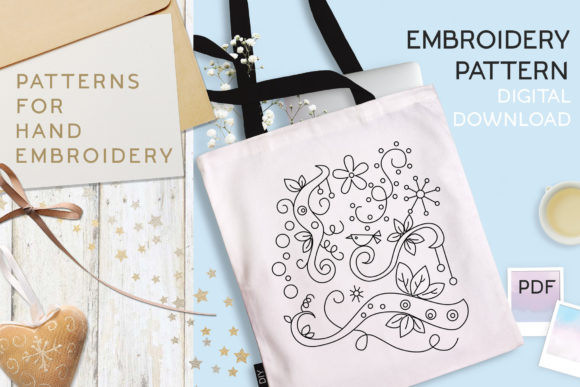
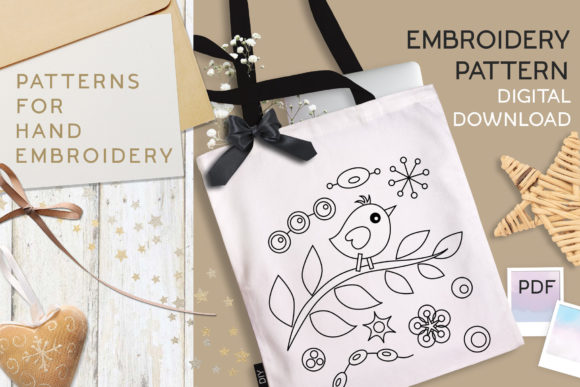
- Tote Bag Design: This is perhaps the strongest candidate. A tote bag design featuring a bird nest on a tree offers a beautiful contrast between the sturdy canvas fabric and the delicate, organic imagery. It works as a large focal point on the front panel or as a smaller accent near the handle stitching. For a market bag, this design screams "earth-friendly," which appeals to a huge segment of craft fair shoppers.
- Apron Embroidery: Kitchen aprons are classic craft fair staples. Placing the nest near the pocket area creates a functional yet decorative element. It transforms a simple utility item into a giftable handmade product. The whimsical nature fits well in kitchen decor, especially if paired with natural linen or white cotton fabrics.
- Tea Towel Embroidery: Linen or cotton tea towels are high-margin, low-cost items. A small embroidered nest adds perceived value without adding significant labor time. These are impulse buys at checkout counters, making them excellent for boosting average order value.
- Pillow Covers and Book Covers: For home decor enthusiasts, a pillowcase with this motif adds a seasonal touch to living rooms. Similarly, a leather or fabric book cover with a subtle nest embroidery feels personal and unique, appealing to readers who appreciate artisanal goods.
Production Practicality and Visual Impact
When evaluating any machine embroidery design or embroidery file for commercial use, I always ask: "Can I make fifty of these in a weekend without losing my mind?" The whimsical style of the Bird Nest pattern suggests it may rely on satin stitches for outlines and fill stitches for texture. This is generally good for production because satin stitches are fast and clean.
However, we must consider how it photographs. In the age of online shopping, your printable mockup is your salesperson. A bird nest design typically features earthy tones—browns, greens, and maybe a pop of blue for eggs. These colors photograph beautifully against neutral backgrounds like cream, beige, or denim. This makes creating listings for platforms like Etsy much easier, as the product stands out without clashing with the background.
The design also needs to work at different scales. If you are creating an embroidered patch for caps, the details must remain clear when scaled down. A complex nest might lose its definition if the hoop size is too small. Conversely, on a large tote bag, the design should have enough presence to be noticed across a crowded room. The "whimsical" descriptor usually implies a balance of detail and negative space, which is ideal for maintaining clarity at various sizes.
Careful-Use Notes for the Maker
Even the best design assets can fail if executed poorly. Here are some critical considerations before you start batch producing your small shop product.
- Stitch Density and Thread Colors: Check the stitch density of the nest branches. If the design is too dense, it may pucker thin fabrics like muslin or lightweight cotton. Ensure you have enough thread colors to capture the depth of the twigs and leaves without making the design look muddy. Natural thread shades (linen, oatmeal, sage) will enhance the rustic feel.
- Fabric Texture: Avoid heavily textured fabrics like boucle or thick chenille unless you are using a heavy-duty stabilizer. The needle needs to penetrate cleanly. For tea towel embroidery, pre-wash your fabric to account for shrinkage, which can distort the hoop placement.
- Hoop Size and Stabilizer: Confirm the recommended hoop size for the final product dimensions. Using the wrong stabilizer is a common mistake. For stretchy knit caps, a cut-away stabilizer is essential to prevent distortion over time. For woven cotton totes, a tear-away may suffice for lighter designs, but a wash-away backing ensures no residue remains on the finished product.
- Small Details: Inspect the tiny twigs or egg shapes. If they are extremely fine, they may break during hooping or washing. Test the design on scrap fabric first to see if those tiny elements hold up after laundering.
Final Verdict for Craft Fair Sellers
The Embroidery Pattern Bird Nest is a strong contender for any creative entrepreneur looking to expand their inventory. Its whimsical, nature-inspired theme aligns perfectly with current consumer desires for authentic, handcrafted goods. It performs exceptionally well on staple items like tote bags and aprons, where it serves as both decoration and a statement of lifestyle values.
To maximize success, focus on high-quality base materials. A cheap tote bag will diminish the impact of even the best embroidery. Pair this design with sturdy canvas, soft linen, or premium cotton. Create realistic mockups that show the product in use—a tote bag filled with groceries, an apron worn while baking—to help buyers visualize the finished product in their own homes.
Remember to verify all technical specifications, such as exact stitch counts and file formats, directly from the provider. Also, double-check your commercial embroidery license rights to ensure you are legally permitted to sell the finished goods. With careful execution and thoughtful presentation, this bird nest design has the potential to become a bestseller at your next craft fair or online store.