Modern Cross Stitch Pattern Africa PDF Review
As an experienced embroidery designer who spends weekends hunched over a hoop and weekdays planning inventory for craft fairs, I have learned that the difference between a design that sits on a shelf and one that sells out by noon often comes down to visual impact and production practicality. When I first reviewed the Modern Cross Stitch Pattern Africa PDF, my immediate instinct was to evaluate it not just as art, but as a viable craft fair product. This is a review focused on what works in the real world of handmade markets, boutique shops, and digital storefronts.
First Impressions: Bold, Modern, and Market-Ready
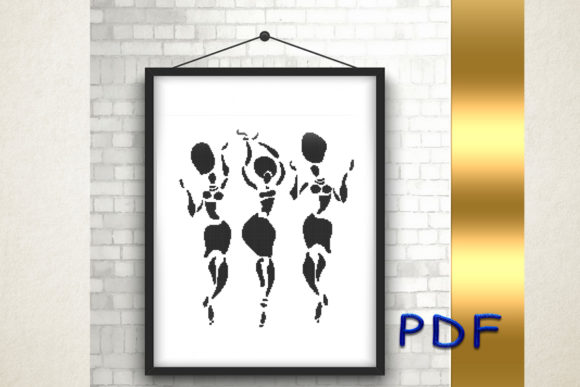
The title alone suggests a contemporary aesthetic, moving away from traditional floral or rustic motifs into something more graphic and culturally resonant. Based on the description—a modern cross stitch pattern featuring an African woman dancing—the design likely possesses strong lines and dynamic movement. For a booth display, this is crucial. In a sea of pastel florals and farmhouse signs, a bold, modern silhouette stops people in their tracks.
The specified dimensions of 161w x 182h stitches on 14-count Aida fabric result in a finished size of approximately 29.21 inches wide by 33.02 inches high. This is a substantial piece. It is not a tiny pocket square; it is a statement. As a designer, I appreciate designs that command attention without requiring excessive complexity. The "modern" descriptor implies clean geometry and perhaps limited color palettes, which is excellent for both hand stitching and digitizing for machine embroidery. It feels premium, decorative, and deeply engaging, making it ideal for customers looking for meaningful home decor or unique gifts.
Product Versatility: Where Does This Design Shine?
One of the biggest questions for any Etsy seller or small shop owner is versatility. Can this design be used on multiple products, or is it too large? The answer lies in how you frame the final product. Because the design is roughly 29x33 inches, it is perfectly sized for larger items where scale matters.
- Tote Bags: A canvas tote bag provides a sturdy, neutral background that allows the colors of the design to pop. The size fits beautifully across the front panel, creating a tote bag design that looks professional and intentional rather than cramped.
- Aprons and Tea Towels: While a standard tea towel might be slightly smaller than the full design, this pattern can be adapted. If using a machine embroidery design format, scaling it down requires careful attention to stitch density. However, on a large kitchen apron, this design serves as a stunning focal point, elevating a simple garment into a piece of wearable art.
- Pillow Covers: Square or rectangular pillow covers are classic best-sellers. The width of the design aligns well with standard throw pillows, offering a luxurious look that adds texture and cultural depth to a living room setting.
- Embroidered Patches: If you plan to create iron-on or sew-on patches, this design might need resizing. A patch that is 30 inches wide is impractical. However, if the digital file allows for cropping or scaling, a smaller version could work as a badge on a denim jacket or a backpack, appealing to a younger demographic.
For commercial embroidery businesses, the key is consistency. A design that photographs well online translates to higher conversion rates. The modern aesthetic of the Modern Cross Stitch Pattern Africa PDF lends itself to clean, bright photography, making it easier to create compelling printable mockups for your listings.
Production Practicalities and Technical Considerations
Before committing to batch production, every designer must assess the technical feasibility. The design is intended for 14-count Aida fabric, which is a standard weight. However, when translating this to other fabrics like denim, thick cotton twill, or textured linen, challenges arise.
Stitch Density and Clarity: The height of 182 stitches is significant. If you are working on a curved surface like a baseball cap, maintaining tension and avoiding puckering becomes difficult. For flat surfaces like tea towel embroidery or wall hangings, the tension is manageable. Always check the stitch density in your digitizing software if you are converting this from a hand-stitch chart to a machine file. High-density areas may require a stronger stabilizer to prevent fabric distortion.
Fabric Choice: The description mentions white Aida, but for commercial products, you will want variety. Light-colored fabrics generally show thread colors most accurately. Dark fabrics can obscure details unless you use underlay stitches or specific backing techniques. Be cautious with highly textured fabrics, such as waffle-weave towels, as they can distort the grid of the design, making the "modern" geometric elements appear skewed.
Thread Colors: The number of thread changes impacts production time. A modern design often uses fewer, bolder colors compared to realistic portraits. Fewer changes mean faster hooping and stitching, which increases your profit margin. Ensure you have a clear list of required thread colors before purchasing materials to avoid mid-production shortages.
Marketing and Brand Consistency
In the handmade market, storytelling sells. A design featuring an African woman dancing carries inherent cultural significance and joy. Use this in your marketing. Highlight the elegance and strength of the subject. This resonates with buyers who value diversity and artistic expression in their homes.
For small shop product owners, consistency in branding is key. If your brand is known for bold, modern aesthetics, this design fits seamlessly. If your brand is soft and vintage, this might feel out of place unless styled carefully. The Modern Cross Stitch Pattern Africa PDF offers a chance to expand your collection into more contemporary territory, attracting a new segment of customers.
Consider creating bundles. Pair the embroidered tote with a matching pouch or offer a set of tea towels. This increases the average order value. The design’s boldness ensures that even as a small accent, it remains visible and desirable.
Essential Designer Notes Before You Start
To ensure success, follow these practical steps derived from years of booth experience:
- Test on Scrap Fabric: Never go straight to your final product. Stitch the design on a scrap piece of the same fabric type to check for puckering, thread breakage, and color accuracy.
- Check Hoop Size: Confirm that your embroidery machine has a hoop large enough to accommodate the 29x33 inch area, or plan for multi-hooping techniques. Multi-hooping increases production time, so factor this into your pricing.
- Review Spacing: Ensure there is adequate spacing between dense stitch areas to allow for proper needle penetration and fabric stability.
- Confirm Commercial Licensing: This is critical. Before selling finished goods, verify that the digital embroidery file includes a commercial license. Many designers sell personal-use only files. Selling finished products without permission can lead to legal issues and damage your reputation.
- Create Mockups: Use digital tools to create at least one realistic mockup. See how the design looks on a white tote versus a black apron. This helps you decide which products to prioritize for your next craft fair.
Final Verdict
The Modern Cross Stitch Pattern Africa PDF is a strong candidate for artisans looking to add impactful, culturally rich pieces to their inventory. Its modern aesthetic, substantial size, and clear subject matter make it suitable for a wide range of handmade products. From eye-catching tote bags to elegant home decor, this design has the potential to drive sales and enhance brand visibility. Just remember to test thoroughly, respect licensing terms, and present the final product with pride. When executed well, it is more than just a stitch pattern; it is a conversation starter.