Letter G and Cute Owls Cross Stitch Review
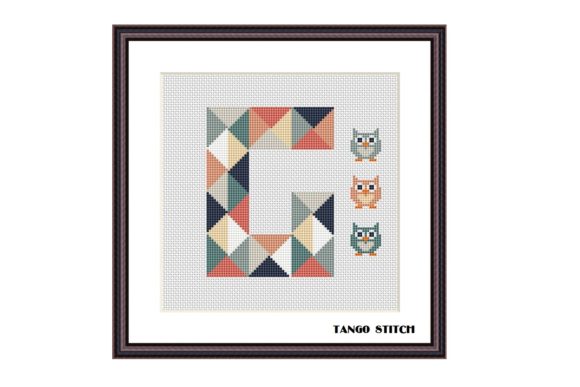
As an embroidery designer who has spent years translating digital patterns into tangible brand assets, I look at every new design with a specific lens: commercial viability. When evaluating Letter G and Cute Owls Cross Stitch, I am not just looking for something pretty to hang on a wall. I am assessing its potential as a viable asset for small business merch, branded patches, uniform accents, and customer-facing products. The description highlights that this is a mosaic patchwork cross stitch pattern using only full stitches, which immediately signals simplicity and structural integrity—two crucial factors for production efficiency.
First Impressions and Visual Personality
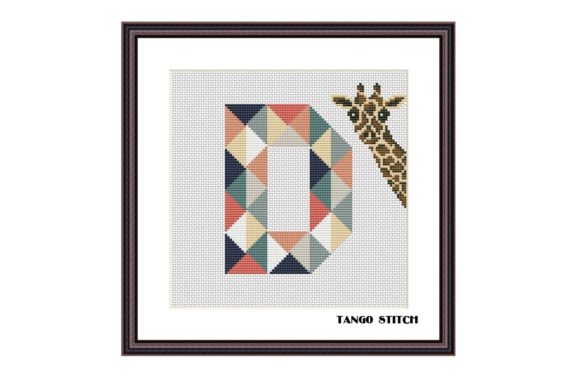
The title Letter G and Cute Owls Cross Stitch suggests a blend of typographic clarity and whimsical illustration. In the world of handmade branding, "cute" does not mean unprofessional; it means approachable. This design likely strikes a balance between rustic charm and modern minimalism. Because it relies on a mosaic patchwork aesthetic, the visual weight is distributed evenly, avoiding large areas of solid fill that can cause puckering or thread breaks during machine digitization.
For a small business owner, whether you run a boutique bakery, a creative studio, or a pet care brand, this design offers a friendly yet polished look. It feels handmade but structured. The use of only full stitches simplifies the digitizing process, often resulting in a cleaner finish with fewer backstitches visible on the surface. This contributes to a premium feel, essential for items like apron embroidery or cap embroidery where the logo needs to hold up under scrutiny.
Real-World Business Applications
Let’s imagine a scenario: You are launching a line of branded merchandise for your local florist shop or perhaps creating staff uniforms for a cozy café. How does Letter G and Cute Owls Cross Stitch perform in these contexts?
- Embroidered Patches: The mosaic nature of this design makes it ideal for embroidered patches. These can be applied to denim jackets, tote bags, or backpacks sold as part of your product line. The distinct shapes of the owls and the letter allow for clean cut edges without excessive fraying, provided the backing is chosen correctly.
- Staff Uniforms and Aprons: For a team uniform, consistency is key. A chest logo featuring this design adds personality without overwhelming the wearer. On an apron, it serves as a focal point that reinforces brand identity while remaining durable through frequent washing.
- Caps and Hats: Cap embroidery requires designs that fit within a curved space. If the hoop size allows, this pattern could work well on the front panel of a baseball cap or a bucket hat, offering a unique alternative to standard text-only logos.
- Tote Bag Design: Canvas totes are a staple for Etsy sellers and craft businesses. Placing this design on a tote bag creates a cohesive brand experience. Customers appreciate the artisanal look of a cross-stitch-inspired graphic, even when executed via machine embroidery.
- Product Packaging Accents: Small labels sewn onto packaging boxes or garment tags can feature a simplified version of this motif. It adds a tactile element to your product, enhancing the unboxing experience.
Brand Identity and Customer Trust
Your visual assets communicate more than just what you sell; they communicate who you are. Using a design like Letter G and Cute Owls Cross Stitch signals that your brand values craftsmanship and attention to detail. It fosters trust because customers associate high-quality embroidery with reliability. When a customer sees a professionally stitched logo on a custom apparel item, their perception of the finished product's value increases. This design supports visual consistency across various media, from your website graphics to physical goods, strengthening brand recognition.
Design Constraints and Careful Considerations
While this design has strong commercial potential, an experienced designer knows that execution matters. There are several areas where caution is required before moving to mass production.
First, consider small patch sizes. If you plan to reduce this design significantly for use on a small label or a sleeve cuff, you must ensure that the details of the owls do not merge into indistinguishable blobs. Tiny lettering, if present, can become illegible if the stitch density is too high or the fabric is too textured. Always inspect spacing carefully when scaling down.
Second, evaluate thread color contrast. Mosaic patterns rely on distinct color blocks. If you choose thread colors that are too similar, the design will lose its definition. Conversely, too many colors can increase production time and cost. Test your thread palette against the actual fabric texture you intend to use.
Third, be mindful of high stitch density. Even though this pattern uses only full stitches, dense areas can make the fabric stiff and uncomfortable, especially on garments like work shirts that need to breathe. Ensure the stabilizer used matches the fabric type to prevent distortion.
Fabric and Surface Challenges
This design may struggle on dark uniforms unless a heavy underlay or white base layer is used. Similarly, highly textured fabrics like thick wool or loose-weave burlap can obscure the fine lines of the cross-stitch effect. For best results, stick to smooth cotton, canvas, or polyester blends that provide a stable ground for the needle.
Practical Embroidery Designer Notes
Before committing to a bulk order or listing this as a digital embroidery file for sale, follow these professional steps to ensure quality control.
- Test in Black and White: Print a mockup of the design in grayscale. This helps you assess the composition and balance without being distracted by color choices.
- Check Small Patch Size Legibility: Digitize the design at the smallest intended scale. Zoom in to check if individual stitches are too close together or if details are lost.
- Review Thread Color Contrast: Create a printable mockup with your chosen thread colors. Hold it up to the actual fabric swatch to verify visibility.
- Inspect Spacing and Hoop Size: Confirm that the design fits comfortably within your standard hoop sizes (e.g., 4x4, 5x7). Avoid designs that require awkward re-hooping unless necessary.
- Test on Real Fabric: Never skip the test stitch. Run the design on the exact fabric and stabilizer combination you plan to use in production. Look for puckering, thread breaks, or registration errors.
- Create a Client Mockup: If you are selling this as a service, provide a realistic preview image showing how the design looks on the final product, such as a tote bag or apron.
- Compare Beside Other Assets: Place this design next to your other brand elements to ensure it aligns with your overall aesthetic.
- Confirm Commercial Licensing: Before using this cross stitch pattern for commercial embroidery projects, verify the license terms. Ensure you have the right to sell products made with this design.
Conclusion
Letter G and Cute Owls Cross Stitch is a versatile and charming addition to any embroidery designer’s library. Its simple construction and appealing subject matter make it suitable for a wide range of small business applications, from branded patches to custom apparel. By paying close attention to technical details like stitch density, fabric choice, and licensing, you can transform this digital pattern into a profitable and professional product line. Whether you are an Etsy seller looking to expand your inventory or a brand manager seeking unique merch ideas, this design offers a strong foundation for creative expression and commercial success.