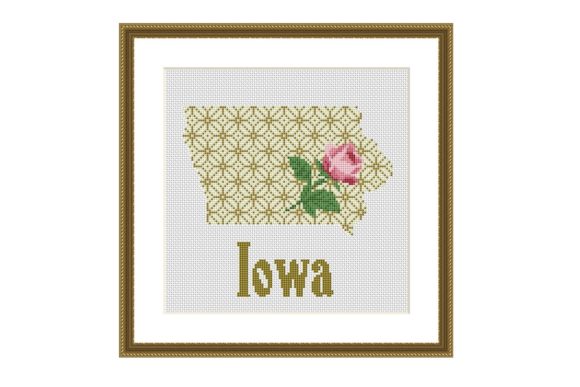
Iowa Map Silhouette Cross Stitch Pattern
As an embroidery designer who has spent years translating digital concepts into tangible brand assets, I approach every new design file with a specific mindset: Will this work on the shop floor? Will it hold up on a busy apron? Will it read clearly from three feet away on a cap front? Today, I am reviewing the Iowa Map Silhouette Cross Stitch Pattern, a design that promises simplicity and versatility. While marketed as a cross stitch pattern suitable for beginners and experts alike, its potential extends far beyond the craft room. For small business owners, Etsy sellers, and apparel decorators, understanding how a simple silhouette translates into commercial merchandise is key to building a cohesive brand identity.
First Impressions: Simplicity Meets Regional Pride
The immediate appeal of the Iowa Map Silhouette Cross Stitch Pattern lies in its clean geometry. The description highlights that it uses only full stitches, creating a solid, bold shape without complex shading or intricate detailing. This is a crucial distinction for commercial use. In the world of embroidered patches and custom apparel, complexity often leads to production headaches. A design that relies on basic geometric forms is inherently more stable and easier to digitize or replicate accurately.
The visual personality here is rustic yet modern. It feels friendly and approachable, making it ideal for businesses that want to project warmth and authenticity. Whether you are running a local café, a boutique bakery, or a handmade pet brand, this design offers a "handmade" aesthetic without the high cost of labor-intensive stitching. It strikes a balance between decorative and professional, ensuring that your merchandise looks intentional and branded rather than like a hobbyist’s quick project.
Real-World Applications for Small Business Merch
When evaluating this design for small business merch, we must look at where it fits in the customer journey. Here is how the Iowa Map Silhouette Cross Stitch Pattern performs in practical scenarios:
- Embroidered Patches: The solid silhouette works exceptionally well as a sew-on or iron-on patch. Because it lacks fine lines, it remains legible even when stitched on durable fabrics like denim or canvas. This makes it perfect for back-of-cap designs or chest logos for staff uniforms.
- Apron Embroidery: For bakeries, florists, or coffee shops, a subtle state outline on the pocket or hem adds a layer of local pride. The stitch density required for a full-stitch silhouette is moderate, meaning it won’t stiffen the fabric excessively, preserving the comfort of the garment during long shifts.
- Tote Bag Design: As a tote bag design, this pattern serves as a minimalist mark. It pairs beautifully with simple typography. The contrast between the structured map shape and the casual nature of a tote bag creates a trendy, artisanal look that appeals to the eco-conscious consumer.
- Cap Embroidery: Curved surfaces can distort complex designs. However, a clean silhouette like this holds its shape well on the front panel of a baseball cap. It reads clearly from a distance, which is essential for brand visibility at events or markets.
- Product Packaging Accents: Beyond clothing, this design can be used on hang tags, product labels, or even printed as a textile stamp. It reinforces brand identity by tying your product to a specific location or community vibe.
Brand Identity and Customer Trust
In the crowded marketplace of Etsy branding and online stores, visual consistency is everything. Using a recognizable geographic marker like the Iowa map helps anchor your brand in a sense of place. Customers today value transparency and origin stories. By featuring a state silhouette, you subtly communicate that your goods are locally made or inspired, which builds customer trust and recognition. It signals professionalism and attention to detail, elevating your finished product from generic merchandise to a curated brand asset.
Where to Exercise Caution
While the Iowa Map Silhouette Cross Stitch Pattern is versatile, there are limitations you must consider before mass production. Not every application is created equal.
- Small Patch Sizes: If you plan to shrink this design down to a 2-inch patch, ensure the outline remains distinct. Very small sizes may cause the edges to blur if the thread tension is not perfectly calibrated.
- Curved Surfaces: When applying this to items like beanies or fitted caps, keep the design centered on the flattest part of the curve to prevent distortion.
- Dark Uniforms: On dark fabrics, you will need a strong underlay or contrasting thread colors to make the silhouette pop. Without proper contrast, the design may get lost against the background fabric texture.
- Frequent Washing: For items like work shirts or aprons that undergo industrial laundering, ensure the backing stabilizer is removed properly after stitching to maintain flexibility. High stitch density can sometimes lead to puckering if not stabilized correctly.
Practical Notes for the Embroidery Designer
Before committing this design to your commercial embroidery workflow, I recommend following these technical steps to ensure quality control.
First, always test it in black and white first. This removes the distraction of color and allows you to evaluate the balance and spacing of the design. Check if the negative space within the silhouette (if any) is balanced or if the shape feels too heavy on one side.
Second, review thread color contrast. Since the pattern uses only full stitches, the choice of thread color is critical. Test a few combinations—perhaps a cream thread on navy blue, or white on black—to see which provides the best readability. You should also inspect spacing to ensure that the edges do not crowd each other, which can happen if the digitization is too tight.
Third, confirm hoop size and stabilizer requirements. Even simple designs require the right support. For lightweight fabrics like cotton tees, a cut-away stabilizer is often necessary to prevent shifting. For heavier fabrics like denim, a tear-away might suffice, but testing is key.
Finally, create a printable mockup for client approval. Show them how the design looks on the actual garment material. This step prevents surprises and ensures that the design assets meet their expectations. Also, remember to confirm commercial licensing before using this digital embroidery file for sale. Just because a pattern is available does not automatically grant the right to sell products made from it.
Final Verdict
The Iowa Map Silhouette Cross Stitch Pattern is a smart, efficient choice for small business owners looking to add a touch of regional flair to their merchandise. Its simplicity is its greatest strength, allowing for easy reproduction across various media, from embroidery files to printed graphics. By paying attention to thread contrast, stabilization, and placement, you can transform this basic shape into a powerful tool for brand identity. It is not just a design; it is a statement of local pride and handmade quality that resonates with customers who value authenticity.