Horus Eye - PDF Cross Stitch Pattern Review
As an experienced embroidery designer who has spent years turning digital files into tangible, heartfelt gifts, I approach every new pattern with a mix of creative excitement and practical scrutiny. When I first encountered the Horus Eye - PDF Cross Stitch Pattern, my immediate question was not just about its aesthetic appeal, but its viability as a product for my own personalized gift shop. In today’s handmade market, a design must do more than look good on a screen; it must translate beautifully into thread, withstand the wear of daily use, and evoke an emotional response from the recipient.
This review is based on a real-world scenario: planning a custom order collection for Etsy sellers and small business owners who need reliable, high-quality designs to offer their customers. Below, I break down how this specific cross stitch pattern performs in production, who it appeals to, and what precautions you should take before adding it to your catalog.
First Impressions: Mood and Aesthetic Appeal
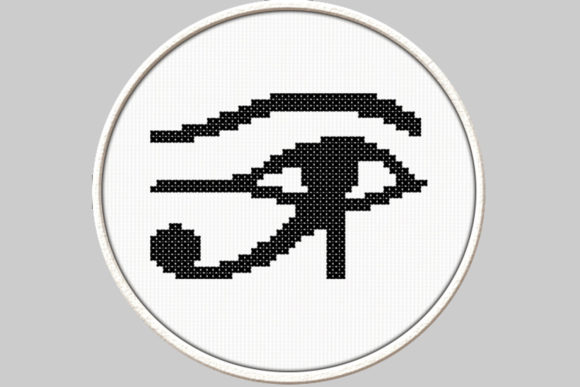
The Horus Eye - PDF Cross Stitch Pattern strikes me immediately as a piece that balances modern minimalism with ancient symbolism. The description notes it is a "simple cute cross stitch pattern," which suggests a clean, uncluttered design. This simplicity is often a seller’s best friend because it translates well across different mediums. Unlike intricate scenes that can get lost on textured fabrics, a bold, singular motif like the Eye of Horus stands out clearly even when stitched on busy backgrounds or varied fabric textures.
The mood is protective yet playful. It feels sweet enough for a nursery item but elegant enough for a wedding keepsake. For a personalized gift provider, this versatility is invaluable. The design does not scream for attention; instead, it offers a subtle statement of care and protection, making it emotionally resonant for buyers looking for meaningful tokens rather than just decorative objects. The single-color requirement (using DMC floss) also adds a layer of classic charm, allowing the stitcher to choose thread colors that match any theme, from soft pastels for baby showers to deep blues and golds for sophisticated decor.
Product Applications and Market Fit
When visualizing this design on actual products, several categories stand out as natural fits. Because the pattern size is relatively compact (46x32 stitches), it is perfect for items where space is limited but impact is desired.
- Baby Embroidery: The protective symbolism of the Horus Eye makes it an excellent choice for a baby blanket or a onesie. Parents are drawn to symbols of safety and health. However, care must be taken with the fabric choice, as discussed later.
- Kitchen and Home Textiles: An embroidered towel or apron featuring this motif brings a touch of artisanal flair to the kitchen. It serves as a unique housewarming gift, appealing to those who appreciate both history and home aesthetics.
- Wedding Keepsakes: For a wedding gift, this design could be stitched onto a pillow cover or a guest book cover. The eye symbolizes vision and foresight, fitting themes of looking forward to a shared future.
- Accessories: A custom tote bag or a journal cover allows the design to shine without the pressure of functional wear-and-tear associated with clothing.
For Etsy sellers and small shop product creators, these applications provide a diverse range of listings. You can market the same digital file across multiple physical products, maximizing the value of your inventory.
Technical Considerations and Fabric Constraints
While the design is charming, no professional would recommend printing it blindly onto every surface. The stitch density and hoop size requirements must be respected to ensure the final product looks polished.
There are specific areas where this design requires careful handling. First, avoid using this on stretchy baby clothes unless you use a heavy-duty stabilizer and have significant experience with knit fabrics. The tension of cross-stitching can pucker delicate jersey knits if not managed correctly. Similarly, textured fabrics like thick terry cloth towels can obscure the fine details of the cross stitches. If you are stitching on an embroidered towel, consider using a smooth backing fabric behind the towel to ensure the stitches sit flat and crisp.
Another critical factor is color contrast. Since the pattern relies on a single thread color, the choice of floss against the fabric background is paramount. On dark fabric, the design may disappear entirely unless you use a metallic or very bright thread, which might clash with the traditional vibe. Always create a printable mockup or stitch a test swatch to confirm visibility before committing to a full-order run.
Enhancing Perceived Value and Customer Trust
In the world of handmade goods, perceived value is driven by quality and presentation. A well-executed finished product tells the customer that you care about details. When you use a clear, legible pattern like the Horus Eye, you reduce the risk of errors during production, leading to fewer returns and happier reviews.
Furthermore, the symbolic nature of the design adds a narrative layer to your product listing. Customers love stories. By explaining the significance of the Eye of Horus in your descriptions, you transform a simple stitch pattern into a meaningful artifact. This emotional connection boosts buyer engagement and can justify a higher price point. For digital product sellers, offering high-resolution previews that show the design on various mockups helps customers visualize the final result, reducing uncertainty and increasing conversion rates.
Practical Pre-Production Checklist
Before adding the Horus Eye - PDF Cross Stitch Pattern to your active catalog, I strongly advise following these practical steps:
- Test on Scrap Fabric: Never start a custom order without testing the stitch-out first. Check how the thread interacts with your specific fabric weave.
- Check Thread Color Contrast: Ensure the chosen DMC floss stands out clearly against your base material. Test both light and dark fabric mockups to see which yields the best visual impact.
- Confirm Hoop Size: Verify that your embroidery hoop can accommodate the 46x32 stitch area comfortably. If the design is too large for your standard hoops, you may need to split the project or adjust the scaling, which can affect the aspect ratio.
- Review Stitch Density: Although described as simple, ensure the stitch count per square inch is manageable for your machine or hand-stitching speed. High density can lead to thread breaks or fabric distortion.
- Verify Commercial Licensing: This is crucial. Before selling finished items, confirm that the PDF includes commercial rights. Many digital patterns are for personal use only. Selling unauthorized finished goods can lead to serious legal issues.
- Inspect Small Details: Zoom in on the colored DMC chart provided in the 6-paged PDF. Look for tiny symbols or complex color changes that might be difficult to execute accurately at a small scale.
In conclusion, the Horus Eye - PDF Cross Stitch Pattern is a versatile, emotionally resonant design that fits well within the Cross Stitch Patterns and Graphics categories for makers focused on personalized gifts. Its simplicity allows for broad application across baby items, home decor, and accessories, while its symbolic depth adds marketing value. By adhering to strict quality control measures—especially regarding fabric choice, stabilizer use, and licensing—you can confidently integrate this design into your custom embroidery offerings. It is a solid addition to any handmade product line, promising both aesthetic charm and commercial potential.