Embroidery Seamless Patterns: A Designer’s Honest Review
As an experienced embroidery designer, I’m always on the lookout for high-quality digital assets that can elevate my handmade products and streamline my workflow. When I came across Embroidery Seamless Patterns on Creative Fabrica, I was intrigued by its promise of versatile design elements for a range of projects. After testing it out in several real-life scenarios—like tote bags, sweatshirts, and custom patches—I wanted to share my honest take with fellow embroidery professionals and craft entrepreneurs.
First Impressions: Visual Mood and Detail Level
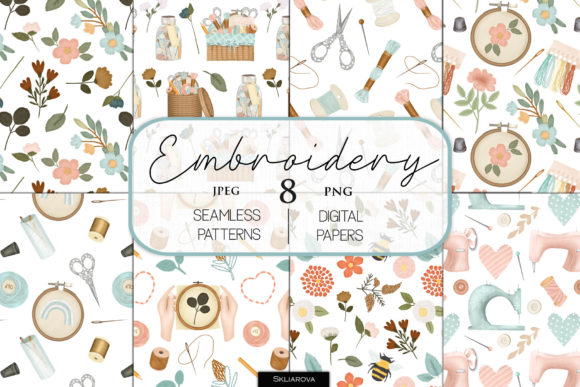
The first thing that struck me about Embroidery Seamless Patterns is its clean, modern aesthetic. The designs are minimalist yet elegant, which makes them incredibly adaptable. Whether you're working on a personalized gift or commercial embroidery project, these patterns have a visual mood that leans towards sophistication and timelessness. They’re not overly busy, but they do feature subtle textures and repeating motifs that add depth without overwhelming the fabric.
I especially appreciated the detail level. As someone who often works with small hoop sizes and intricate stitch work, I value precision. The seamless nature of the files allows for smooth transitions when tiling, which is essential for creating full backgrounds or large-scale designs like pillow covers or baby blankets. Each pattern feels intentional, with thoughtful placement of elements that maintain balance and flow even when repeated.
Stitching Personality and Decorative Appeal
What sets Embroidery Seamless Patterns apart is how well they translate into actual stitch work. While they look great as digital graphics, their stitching personality becomes evident once you load them onto your machine. The use of fill stitch and running stitch is balanced, making them suitable for both dense and open areas depending on how you arrange them. This flexibility is rare and valuable, especially when designing for different fabrics and purposes.
These patterns don’t scream “look at me,” but they do offer a decorative appeal that enhances any project subtly. Think of them as background elements or accents that support other embroidery designs rather than overshadow them. That said, they can also stand alone beautifully, particularly on items like caps or kitchen towels where understated charm is key.
Best Fit for What Projects?
Here’s where I’ve used Embroidery Seamless Patterns successfully:
- Tote bag designs – Perfect for adding texture to the background while keeping the main focus on text or logos.
- Sweatshirt embroidery – Works well as part of a layered design, such as a border or subtle motif behind a larger graphic.
- Custom apparel – Especially useful for creating unique, repeatable patterns on leggings, hoodies, or onesies.
- Embroidered patches – Their high resolution and clarity make them ideal for smaller patch applications.
- Baby items – The soft, non-intrusive style complements pastel colors and gentle themes commonly used in nursery decor and baby gifts.
- Kitchen towels – The patterns add visual interest without being distracting, especially when paired with simple text or monogramming.
- Pillow covers – With the right stabilizer, these patterns become stunning centerpieces or borders.
- Handmade gifts – The seamless aspect gives a professional finish, making the item more giftable and visually appealing.
- Printable mockups – Even if you’re not stitching them, the .png and jpeg formats are excellent for showcasing your product lineup online.
Real-World Performance in Embroidery Work
Let’s dive into how these patterns perform in practical settings. First, I tested one on a tote bag using cotton fabric. The results were impressive—the pattern stitched cleanly, maintained its shape, and didn’t distort despite the fabric movement. On a stretchy fabric like spandex for a cap design, I had to adjust the tension slightly and use a tear-away stabilizer underneath. It still worked well, though I recommend experimenting with stabilizers before finalizing production.
When using Embroidery Seamless Patterns on dark fabrics, the thread color contrast became crucial. I found that light-colored threads (like white or cream) made the patterns pop, while darker threads tended to blend in too much. Always check your thread choices against the fabric to ensure visibility and impact.
Small Hoop Sizes and Tiny Lettering
One of the standout features of this set is its compatibility with small hoop sizes. I tried a tiny version on a keychain patch and was surprised at how crisp the details remained. However, be cautious with very small lettering or fine lines—these may require a higher-end embroidery machine and precise tension settings to avoid distortion. If you're unsure, test on scrap fabric first.
Commercial Use Considerations
If you plan to use these for commercial embroidery, the licensing information on the Creative Fabrica page is something to double-check. Based on what I saw, it's clear and straightforward, but always confirm before selling finished products. For boutique owners or Etsy sellers, these patterns can add a touch of professionalism to your offerings without needing complex techniques.
In terms of brand consistency, I found that the uniformity of the patterns helped create a cohesive look across multiple products. Whether it’s a line of aprons or a collection of embroidered cards, having consistent design elements builds trust with buyers and reinforces your creative identity.
Design Tips and Practical Advice
To get the most out of Embroidery Seamless Patterns, here are some best practices I followed:
- Test on scrap fabric – Especially if you're working with textured or stretchy materials.
- Check thread color contrast – Lighter threads tend to highlight the pattern better on dark fabrics.
- Review stitch density – Adjust fill or satin stitches as needed to suit your fabric type and machine capabilities.
- Confirm hoop size – These files are scalable, but reducing them too much might affect quality. Stick to recommended minimums.
- Compare light and dark fabric mockups – Use Creative Fabrica’s preview tools to see how the pattern will appear on various surfaces.
- Use proper stabilizer – Tear-away or cutaway stabilizers can help maintain the integrity of the pattern during stitching.
- Inspect small details after stitching – Look closely for any missed pixels or misaligned elements, especially in tight spaces.
- Confirm file details and licensing – Before using in commercial products, always revisit the product page to verify specifications and permissions.
Impact on Product Value and Buyer Trust
Using Embroidery Seamless Patterns significantly enhanced the perceived value of my handmade products. Clients and customers could tell that the designs were professionally executed, even if they didn’t realize they were using digital assets. This subtle upgrade helps build buyer trust and positions your items as premium within the handmade market.
For Etsy sellers or those listing products on handmade marketplaces, the seamless nature of these patterns makes your listings look more polished. Combined with good product photography, they help showcase the uniqueness of each piece and encourage customer engagement through detailed visuals.
Challenges and Limitations
While Embroidery Seamless Patterns are versatile, there are a few limitations to consider:
- They are provided as digital papers (.png and .jpeg), so if you need specific embroidery file formats (like .dst or .pes), you’ll need to convert them using software like Adobe Illustrator or a compatible converter tool.
- Some patterns may require layering or trimming to fit certain shapes, like curved cap surfaces or irregularly shaped applique designs.
- Thread count isn’t listed, so it’s wise to estimate based on the design complexity and adjust accordingly.
Despite these, the overall quality and adaptability of the patterns make up for minor adjustments. Just remember that every embroidery machine and fabric reacts differently, so always test thoroughly before mass production.
Final Thoughts and Recommendations
In conclusion, Embroidery Seamless Patterns is a solid addition to any embroidery designer’s toolkit. Its high-resolution format, ease of scalability, and clean visual style make it perfect for both personal and commercial embroidery projects. Whether you're looking to enhance a handmade gift or create a line of custom apparel, these patterns deliver a professional result without requiring advanced techniques.
As a Creative Fabrica user myself, I appreciate how efficiently these graphics integrate into my workflow. They’re easy to manipulate, scale, and combine with other design assets. For those who want to improve their stitch presentation and elevate the visual appeal of their products, I highly recommend giving this set a try.
Just remember to approach it thoughtfully. Test on your preferred materials, review stitch density, and ensure licensing is appropriate for your intended use. When done right, these patterns can transform your designs from average to exceptional—and that’s exactly what we all strive for in our handmade creations.