Cross Stitch Alphabet: A Designer’s Review for Personalized Gifts
As an experienced embroidery designer, I spend a significant portion of my week testing new cross stitch patterns to determine if they are viable for commercial use. When I first encountered the Cross Stitch Alphabet, I immediately thought about its potential in the personalized gift market. This isn't just a chart; it is a foundational tool for creators who want to offer meaningful, handmade products. Whether you are an Etsy seller looking to expand your catalog or a small business owner aiming to create premium wedding keepsakes, understanding the practical application of this design is crucial.
I approached this review with a specific scenario in mind: a customer requesting a custom baby blanket and a set of embroidered kitchen towels for a housewarming gift. My goal was to evaluate how the Cross Stitch Alphabet performs when translated from a digital file into a tangible, high-quality finished product.
First Impressions and Emotional Appeal
The first thing that strikes you about the Cross Stitch Alphabet is its timeless charm. It possesses a classic, handmade aesthetic that feels both sweet and elegant. In a market saturated with modern, minimalist designs, this pattern offers a warm, nostalgic appeal that resonates deeply with buyers seeking emotional connection in their purchases. The mood is playful yet refined, making it versatile enough for nursery decor, romantic wedding gifts, or cheerful craft fair displays.
From a design perspective, the layout is straightforward and easy to follow. For the maker, this means faster production times and fewer errors. For the buyer, it translates to a cleaner, more professional-looking final piece. The simplicity of the design allows the quality of the stitching and the choice of thread colors to shine, rather than competing with overly complex imagery. It feels like a staple in any embroiderer’s library—a reliable workhorse for creating custom orders.
Practical Applications for Personalized Products
One of the strongest selling points of the Cross Stitch Alphabet is its adaptability across various product categories. Here is how I see it performing in real-world scenarios:
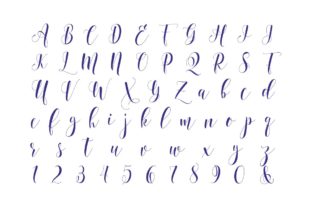
- Baby Embroidery: This is perhaps the most lucrative application. Parents love seeing their child’s name on blankets, bibs, and nursery wall art. The capital letters, which are approximately 52 stitches tall (about 3-3/4 inches or 9.4cm high on 14 ct fabric), provide excellent visibility without being overwhelming. It creates a sense of permanence and care that parents cherish.
- Wedding Gifts and Keepsakes: Couples often seek unique ways to commemorate their special day. Using this alphabet on pillow covers, aprons, or table linens adds a personal touch that mass-produced items cannot match. It serves as a beautiful reminder of their union every time it is used.
- Home Decor and Kitchen Items: An embroidered towel featuring a family name or a favorite phrase brings warmth to the kitchen. Similarly, pillow covers with initial monograms add a customized flair to living spaces. These items make excellent impulse buys at craft fairs or high-margin additions to an online store.
- Custom Tote Bags and Aprons: For the everyday user, a tote bag or apron with cross-stitched lettering feels artisanal and thoughtful. It elevates a basic accessory into a statement piece, appealing to those who value sustainability and handmade goods.
Where Caution Is Required
While the Cross Stitch Alphabet is versatile, there are specific contexts where it requires careful consideration. As a designer, I must advise against using this pattern on certain materials or products without thorough testing.
First, avoid placing this design on thick, textured fabrics like heavy terry cloth towels unless you are using a stabilizer and have tested the stitch penetration. The texture can obscure the details of the cross stitches, leading to a muddy appearance. Similarly, stretchy baby clothes or curved surfaces can distort the geometry of the letters, making them look uneven or warped.
Dark fabrics also present a challenge. Cross stitch relies heavily on contrast to be readable. On dark backgrounds, the stitches may disappear unless you use metallic threads or a very bright color palette. Additionally, while the capital letters are well-proportioned, smaller text or intricate details within the design might become lost if the hoop size is too small or if the fabric count is lower than recommended.
Finally, consider the end-use of the product. Items that require frequent washing, such as daily-use aprons or baby blankets, need durable construction. If the fabric frays or the stitches loosen over time, the perceived value of the gift drops significantly. Always test wash your samples to ensure longevity.
Impact on Giftability and Perceived Value
In the world of handmade products, presentation is everything. The Cross Stitch Alphabet enhances giftability by adding a layer of intimacy and effort that consumers appreciate. When a buyer sees a name stitched onto a pillow cover, they are not just buying a product; they are buying the time and skill of the maker. This boosts customer trust and encourages positive reviews.
For sellers, this design aids in product photography. The clean lines and clear lettering photograph beautifully, making it easier to showcase the item in mockups or real-life settings. High-quality images drive engagement and sales, especially on visual platforms like Instagram and Pinterest. By offering customizable options, you allow customers to visualize the final result, increasing conversion rates.
Essential Embroidery Notes for Success
To ensure your finished products meet professional standards, I recommend following these practical steps before committing to full-scale production:
- Test on Scrap Fabric: Never assume a design will work perfectly on your chosen material. Stitch a sample on the exact fabric you plan to use to check for tension, puckering, and clarity.
- Check Thread Color Contrast: Ensure that your thread choices stand out against the background fabric. Low contrast can make the design difficult to read, reducing its appeal.
- Confirm Hoop Size: Make sure your hoop is large enough to accommodate the design comfortably, allowing for proper tension and ease of stitching.
- Review Stitch Density: High-density areas can cause fabric distortion. If the design feels too crowded, consider scaling it down slightly or choosing a finer fabric.
- Use Proper Stabilizer: A good stabilizer prevents shifting and ensures clean edges. Cut-away stabilizers are often best for woven fabrics, while tear-away may suffice for stiffer materials.
- Compare Light and Dark Mockups: Create digital mockups on both light and dark backgrounds to see how the design translates visually. This helps in setting realistic expectations for customers.
- Check Small Details: Zoom in on your test stitch to ensure that tiny elements are distinct and not merging together.
- Verify Commercial Licensing: Before selling any finished products, confirm that you have the appropriate commercial license for the digital embroidery file. Respecting intellectual property protects your business from legal issues.
The Cross Stitch Alphabet is a valuable asset for any creator in the handmade space. Its blend of classic charm, ease of use, and versatility makes it ideal for a wide range of personalized gifts. By paying attention to fabric choice, thread contrast, and proper finishing techniques, you can create stunning products that delight customers and build a loyal following. Whether you are designing for babies, weddings, or home decor, this pattern offers a reliable foundation for success.