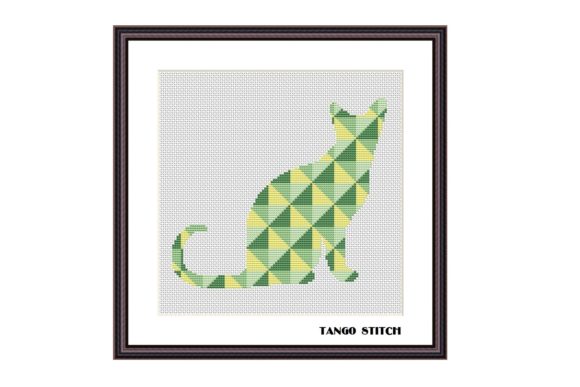
Cat Geometric Cross Stitch Pattern
As an embroidery designer who spends weekends navigating the chaos of craft fairs and handmade markets, I have learned one undeniable truth: your booth needs to stop people in their tracks. In a sea of generic prints and mass-produced goods, a well-executed embroidered design is what transforms a casual browser into a committed buyer. Today, I am reviewing the Cat Geometric Cross Stitch Pattern, a digital asset that promises simplicity with a modern twist. But does it hold up under the scrutiny of production? Will it sell at $25 for a tote bag or $8 for a patch? Let us dive into the practical realities of turning this graphic into a profitable craft fair product.
First Impressions and Visual Appeal
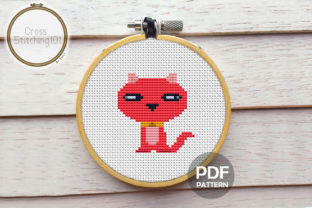
The title Cat Geometric Cross Stitch Pattern suggests a blend of two distinct aesthetics: the traditional warmth of cross stitch and the sharp, clean lines of geometric art. From a seller’s perspective, this combination is potent. It feels modern yet cozy, appealing to the "farmhouse chic" crowd while also satisfying the minimalist aesthetic popular on platforms like Etsy. The description notes that it uses only full stitches, which immediately signals ease of execution. For a busy maker prepping for a weekend market, designs that are intuitive reduce errors and speed up production.
Visually, I imagine this design as bold and cute without being overly childish. The geometric interpretation likely strips away unnecessary detail, leaving a strong silhouette that reads well from three feet away—perfect for catching the eye of a passerby at a crowded outdoor festival. It strikes a balance between decorative and premium. It is not just a quick stitch; it looks intentional and designed, which allows you to command a higher price point for your finished product.
Product Application: Where Does It Shine?
When evaluating a digital embroidery file for market sales, I always ask: what is the best vehicle for this design? The Cat Geometric Cross Stitch Pattern is versatile enough to work across several categories, but some applications will yield better results than others.
- Tote Bag Design: This is perhaps the strongest candidate. A large, centered placement on a canvas tote bag allows the geometric lines to breathe. Canvas provides a stable, neutral background that makes the thread colors pop. These are high-volume sellers because they are functional, giftable, and serve as walking billboards for your brand.
- Apron Embroidery: Placing this pattern on the bib of a linen apron adds a touch of personality to kitchenware. The geometric cat becomes a focal point that contrasts nicely with floral or solid-colored fabrics. It appeals to home cooks who want their tools to look Instagram-worthy.
- Tea Towel Embroidery: Smaller placements along the hem or corner of a flour sack towel can be very effective. However, be mindful of the fabric texture. Woven tea towels can sometimes distort fine geometric lines if the stabilizer choice is poor.
- Embroidered Patch: If the design scale allows, creating a sew-on or iron-on patch is a low-cost entry point for customers. Patches are excellent impulse buys at a booth. They require less fabric cost and can be produced in batches quickly.
- Caps and Fabric Pouches: Curved surfaces like baseball caps present a challenge. Ensure the design fits within the curved panel without distortion. Small pouches made of denim or cotton twill can also showcase this design effectively as a front pocket accent.
Production Practicality and Sales Strategy
For an Etsy seller or small shop owner, efficiency is key. The fact that this pattern uses only full stitches is a massive advantage. It simplifies the digitizing process if you are converting it, or makes it easier to hand-stitch if you choose that route. There are no complex fill patterns or tiny satin stitches that might snag or pucker. This consistency means you can produce items in batches with predictable outcomes, reducing waste and saving time.
Photography is another critical factor. Geometric designs photograph exceptionally well because they have clear edges and high contrast. When creating printable mockups for your online listings, this design will render sharply, giving potential buyers confidence in the final result. It looks clean on screen, which translates to trust in the physical product.
However, we must address visual appeal versus production reality. While the design is described as easy, geometric patterns rely heavily on precision. If the stitch density is too high, the fabric may pucker, ruining the crisp lines that make the design attractive. Conversely, if the stitches are too sparse, the backing material might show through, making the product look cheap. You must find the sweet spot where the design looks substantial but remains flat and durable.
Careful-Use Notes for Quality Control
Before you commit to a run of fifty aprons, there are several technical considerations to keep in mind. First, inspect the design for dense stitch areas. Even simple geometric shapes can become heavy if the digitizer packed the stitches too tightly. Test on scrap fabric to ensure the hoop marks do not remain permanently visible on delicate fabrics.
Consider the fabric texture. On highly textured materials like bouclé or thick terry cloth, the geometric details may get lost. Stick to smooth-to-medium weight fabrics like cotton, linen, or canvas for the best clarity. Also, pay attention to thread contrast. If you are stitching on dark fabric, ensure the thread colors are vibrant enough to stand out against the background. Muted tones might look elegant in person but appear muddy in photos.
Another common pitfall is scaling. Do not assume the design will look good at every size. If you shrink it down too much for a small patch, the geometric segments may merge into a blob. Always create a real mockup at the intended final size to check for clarity. Additionally, confirm the hoop size requirements. If the design requires a large hoop, it limits the types of garments you can embroider, potentially restricting your market reach.
Designer’s Checklist for Success
To maximize the potential of the Cat Geometric Cross Stitch Pattern, follow these practical steps:
- Test on Scrap Fabric: Never skip this step. Use the exact fabric you plan to sell with. Check how the thread interacts with the weave.
- Check Thread Contrast: Lay out your thread choices next to the fabric. Ensure the colors provide enough visual separation to define the geometric shapes.
- Review Spacing and Density: Look closely at the digitized file (if applicable) or your manual setup. Are there any overlapping stitches that could cause bunching?
- Confirm Hoop Size: Ensure the design fits comfortably within your machine’s standard hoops to avoid re-hooping and alignment issues.
- Inspect Stabilizer Choice: Use a cut-away stabilizer for stretchy fabrics or items that will be washed frequently, such as aprons and bags. Tear-away may suffice for stiff canvas, but cut-away offers better longevity.
- Create Mockups: Produce at least one finished sample. Photograph it in natural light. See how it looks as part of a styled scene, perhaps paired with coffee beans or yarn, to inspire buyers.
- Verify Licensing: Before listing any commercial embroidery products, read the license agreement carefully. Ensure you are permitted to sell finished goods made from this design. Some digital assets are for personal use only.
In conclusion, the Cat Geometric Cross Stitch Pattern has all the hallmarks of a best-selling craft fair product. Its modern aesthetic, combined with production-friendly simplicity, makes it an ideal choice for makers looking to expand their inventory. By focusing on quality execution, smart fabric selection, and strategic product placement, you can turn this simple graphic into a standout item that draws crowds and drives sales. Just remember: the magic is in the details, so take the time to test, refine, and perfect your presentation before hitting the market.